Het Tosti-Verzet
Art, Resistance, and the Fragility of the Rule of Law
#I=ct²
The Human Rights Activist
My artistic practice has always been intertwined with questions of justice, dignity, and the structures that shape our lives. In 2007, these questions moved beyond the studio when I encountered severe abuses in Dutch society, abuses that were ignored, dismissed, or misunderstood by the institutions meant to protect us.
From this moment, my role expanded: I became a human rights activist.
This page shares the story of the Tosti‑Verzet, a resistance group I founded to expose these abuses, protect evidence, and support those affected.
When institutions fail, resistance begins.
How the Tosti‑Verzet Began
The ‘Tosti‑Verzet’ began with a single chain letter, a document that could not be copied but could only be passed from hand to hand. Each person who read it could sign their name at the bottom as a declaration: I join the resistance.
The letter described a group that had formed its own tribunal, using coercion and psychological pressure to condemn individuals and push them toward self‑destructive behaviour. Those targeted were socially exiled, labelled as disposable, and left without protection.
People close to the victims saw what was happening, but their attempts to report it were dismissed. Authorities misread the situation entirely, assuming it was a theatre or a form of “rebellious youth,” and failing to recognise the danger.
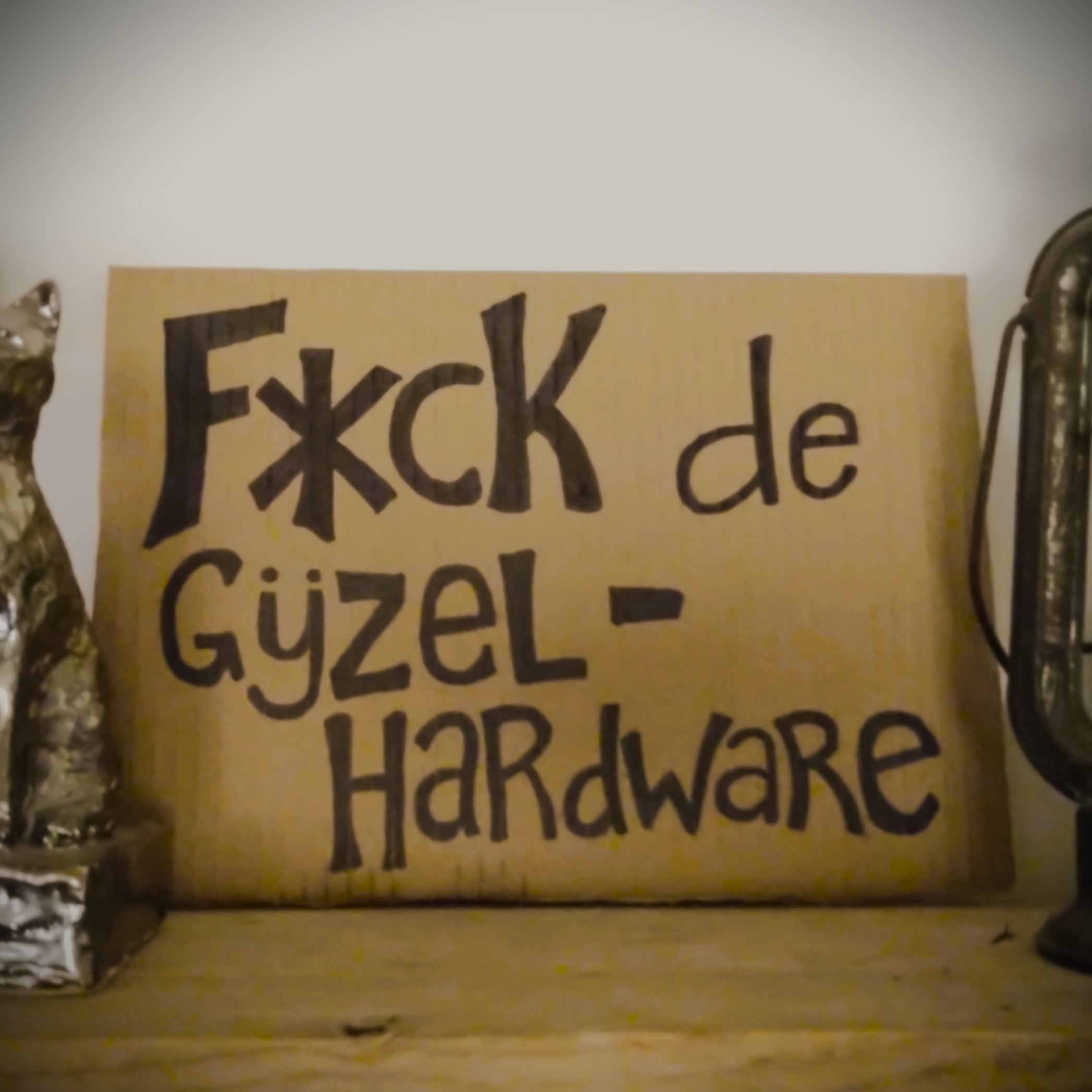
The Tosti‑Verzet emerged as a response to this vacuum, a grassroots effort to document, protect, and resist.
Resistance Through Collecting Evidence, Solidarity, and Humour
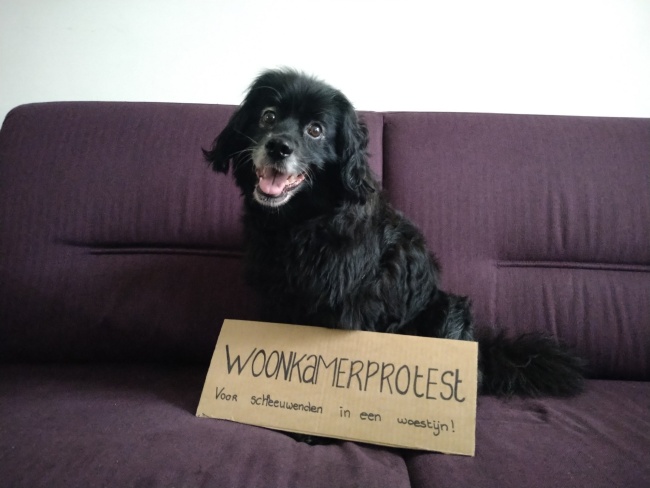
The Tosti‑Verzet worked collectively to safeguard evidence that perpetrators attempted to destroy. We used humour deliberately, not to trivialise the situation, but to restore a sense of humanity and resilience in moments when fear and despair were overwhelming.
Humour became a weapon of survival. It allowed us to pull each other out of the darkness, to keep going, and to resist the psychological violence of those who sought to silence us.
As the group behind these abuses expanded their influence, even entering political spaces, the Tosti‑Verzet continued to push back, exposing patterns of harm and refusing to let the narrative be erased.
Humour as armour. Community as survival.
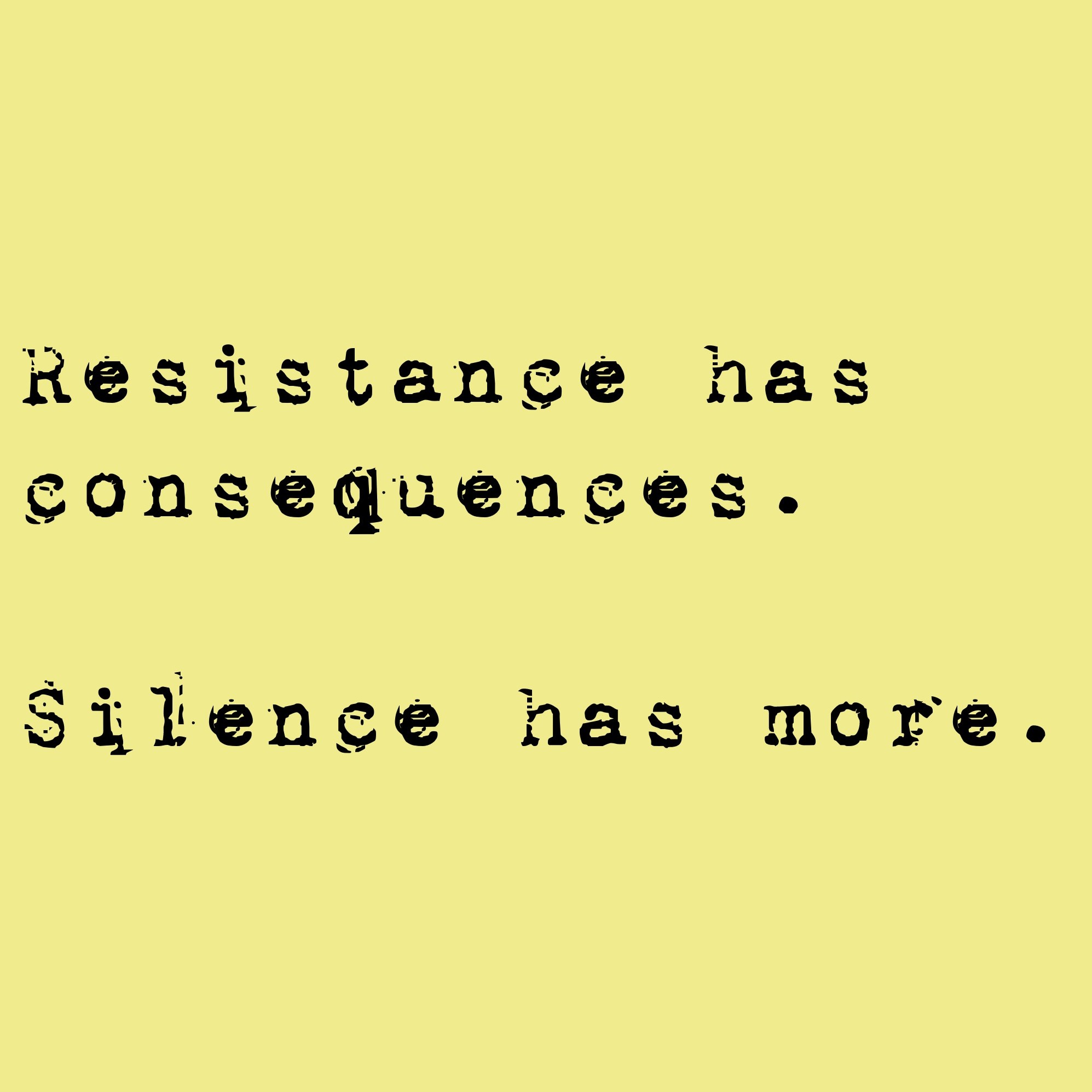
The Cost of Speaking Up
My involvement in the Tosti‑Verzet exacted a high personal cost. Over the years, I received multiple death threats, several of which escalated into attempts on my life.
At one point, I woke up with severe memory loss, unable to recall my own name. Recovery required rebuilding the pathways to memories that were still there, but no longer accessible.
I fought my way back, piece by piece. But despite the efforts of many, institutional justice never arrived. Our attempts to repair the breach in the rule of law were repeatedly dismissed by the very systems meant to uphold it.
From this, I can only conclude that the project might have succeeded ethically, but it failed institutionally.
In Memoriam
Some members of the Tosti‑Verzet did not survive this struggle. Their lives were marked by the same systemic failures we tried to expose, and their absence is a reminder of what was at stake. This memorial is not a list of names, but a recognition of the courage, humour, and humanity they brought into a situation that should never have existed.
The Tosti‑Verzet was built on solidarity, on pulling each other out of despair, on protecting what could be protected, and on resisting the forces that tried to erase us.
Those who are no longer here remain part of that story.