Welcome to the fourth dimension.
Time works differently here.
#I=ct²
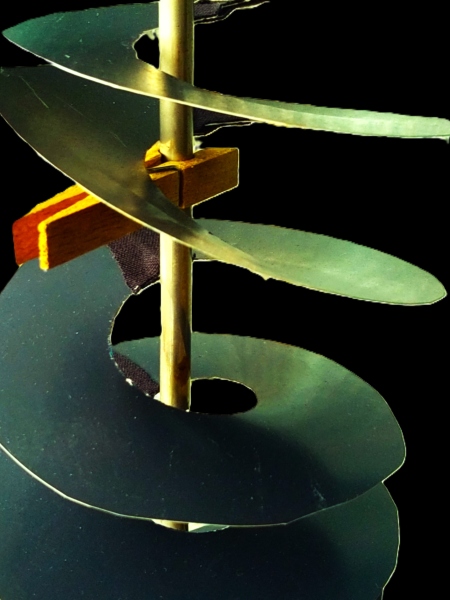
The Spiral Time Model, 2026
The spiral time model merges linear progression with cyclical recurrence, positioning past, present, and future as adjacent rather than distant. This structure enables forms of influence, memory, and intergenerational connection that linear time cannot accommodate. It provides a framework for understanding identity as a dynamic process shaped by temporal proximity rather than temporal separation.
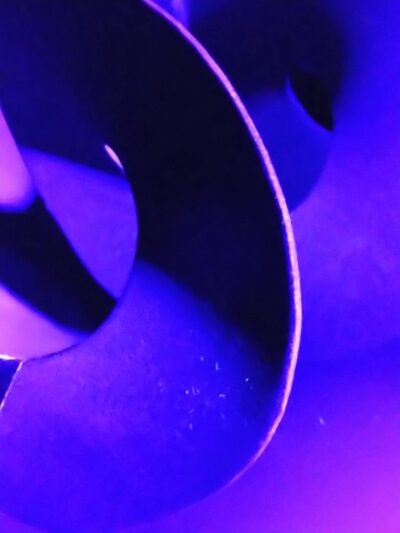
The Spiral Time Model, 2026
These are the initial impressions of the fourth dimension. This project will continue in the coming time…



*I’ve written the following essay in answer to the APRIA journal open call. Since the subject of this essay is essential to my work, I share a summary here. This concept will be developed into a book on the fourth dimension (sponsors needed).
A Time Traveller’s Experiences: the short version…
Different views on time.
To understand the timespiral, we first have to set out what time is. I rapidly summarise different views on ‘time’ to start with.
Time is difficult to grasp because we’re accustomed to treating it as a ruler, something that measures fixed distances between events. Yet emotional distance works differently, as we often experience when our loved ones feel near to us despite our physical separation during office hours, for example. Just as “space” can mean the cosmos or the inside of a cluttered garage, “time” also has multiple meanings depending on how we use it. For clarity, I call our usual approach “linear time,” a cause‑and‑effect system that treats events like frames in a comic book.
However, this model falters when we realise that imagination lets us “travel” to the future, such as when we pack warm clothes because we anticipate a cold destination. We record time mechanically, seconds, minutes, hours, years, but emotional experience resists this tidy progression. A painful memory may feel close forever, no matter how many decades pass on the calendar. This mismatch becomes clear in public debates, such as when the Dutch apology for slavery was dismissed as addressing something “long ago,” even though emotionally it concerned someone’s grandmother.
Western culture tends to prioritise what can be measured, which is why fiction becomes a valuable space to explore time differently. Authors like Robert Jordan treat time as circular, beginning stories not at “the” beginning but simply “a” beginning. His Wheel of Time echoes global traditions that see time as cyclical, reminding us that patterns return and that understanding time requires imagination as much as measurement.
Linear Time/Circular Time
Time can be understood not only as linear or circular (as a wheel), but also as a spiral that combines forward movement with cyclical repetition. In this spiral model, the past and future curve around the present, remaining close without collapsing into a single point.
This proximity makes communication and influence across time feel more plausible than in a strictly linear view. Ancestors, for example, no longer appear as distant figures locked in a closed past, but as presences whose patterns may return.
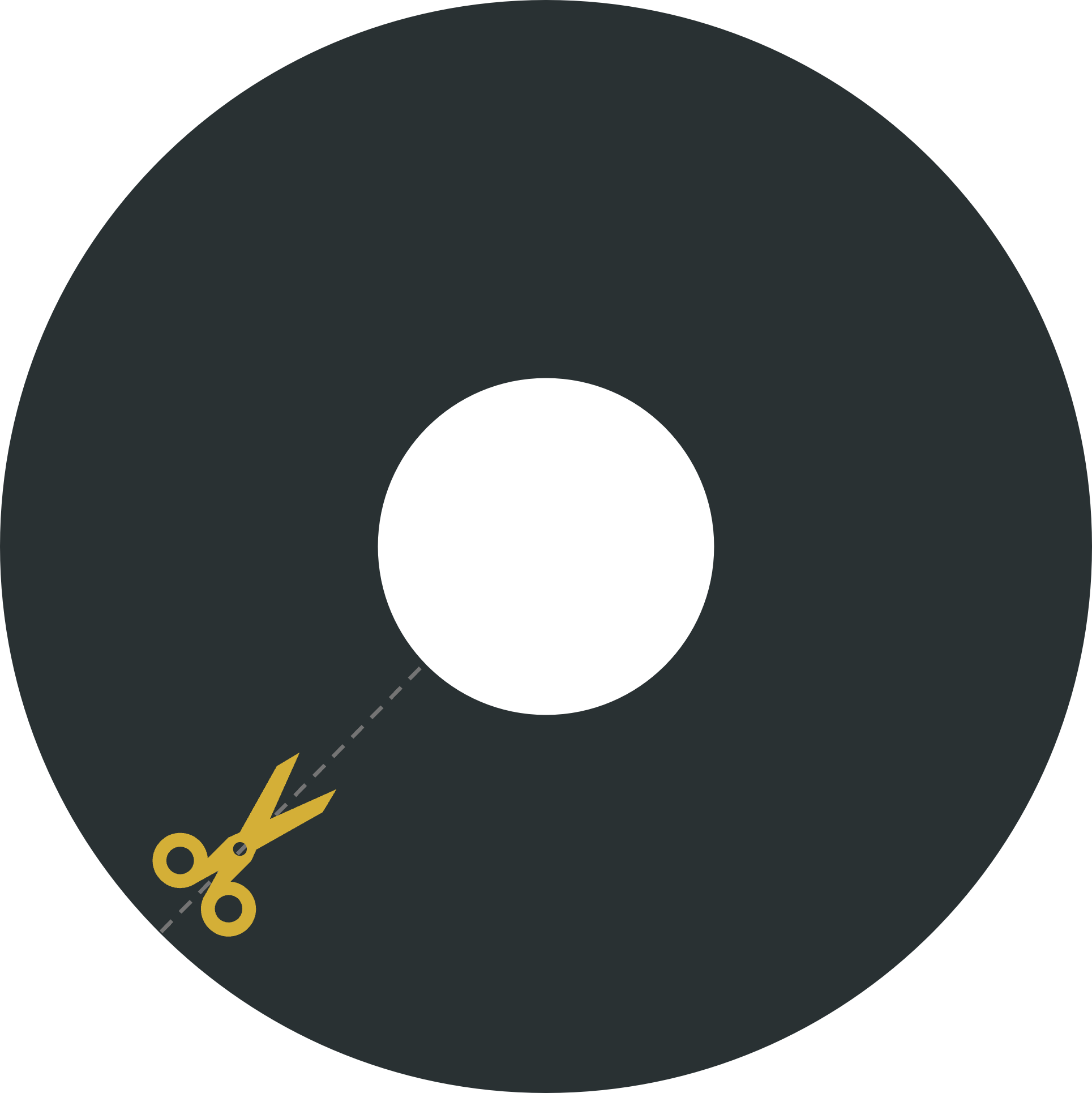
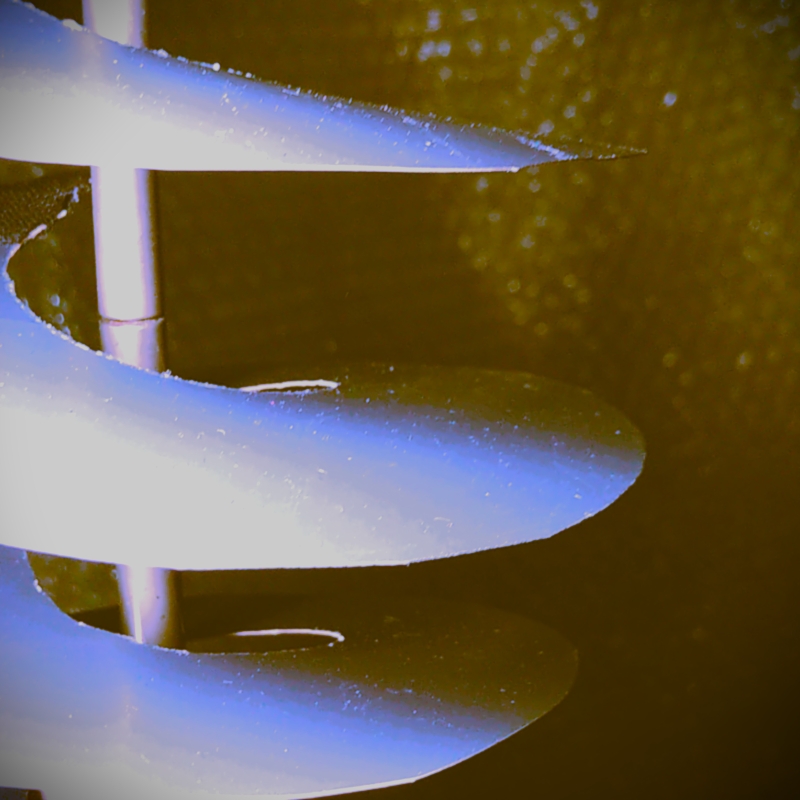
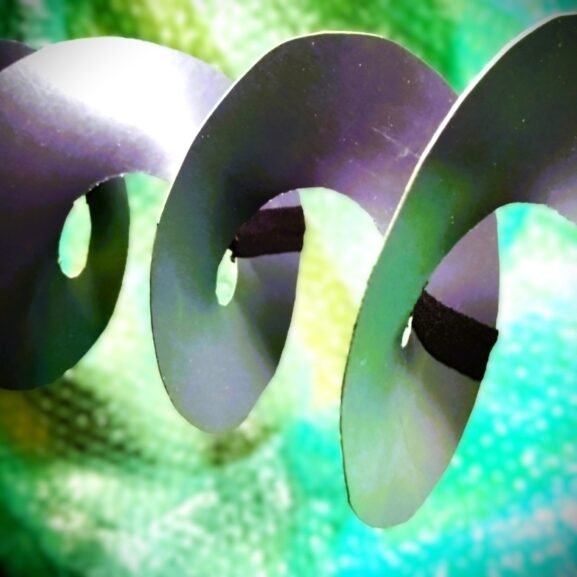
To explain this model fully, it helps to move beyond theory and create a physical spiral that can be held and examined. You do this by repeatedly connecting a set of circular disks, as shown in the example above. Building such a model reveals how past, present, and future intertwine in uneven loops. Once constructed, the spiral shows how each “time plate” connects to the next, forming a path that is both cyclical and progressive.
It also exposes why linear timekeeping requires corrections like leap days: our movement through time is never perfectly measured. Each plate can be imagined as a seasonal cycle, while the transition between plates reflects ageing, growth, and the gaining of wisdom. Following the spiral path allows us to picture a body moving through time in a way that linear time cannot capture. In this model, beginnings and endings are not fixed points but shifting positions along an ever‑unfolding curve.
Even more complex
The spiral time model becomes more complex once we connect it to Einstein’s idea of time as the fourth dimension. The handmade spiral from the earlier exercise acts as a simplified model of spacetime shaped by mass and energy, not an absolute truth but a visual suggestion.
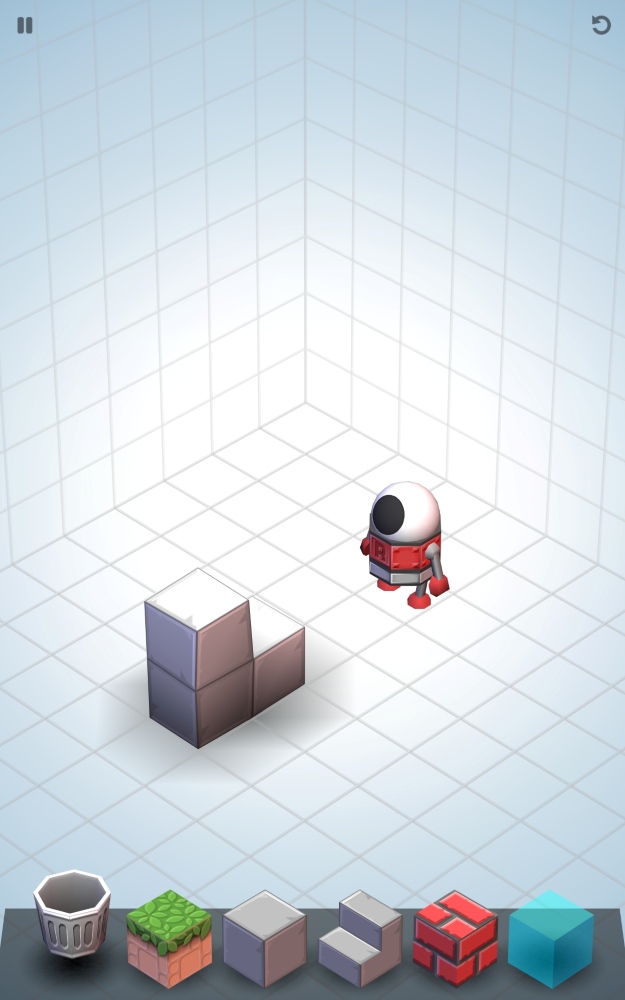
When you trace the spiral with your finger, you experience time from the inside: doing daily tasks, reacting to the weather, and planning appointments without ever fully noticing your own existence. Lifting your finger above the model creates a shift into the “outside observer perspective,” a viewpoint that mirrors the fourth dimension. Artists already navigate dimensional thinking: a line is one dimension, a flat image is two, and depth creates the third. We can observe three‑dimensional objects from the outside, but we cannot step into them. A smartphone game like Mekorama illustrates this: you guide a robot through its 3D world while remaining an external, fourth‑dimensional observer. You can influence the robot’s environment, but you cannot communicate with it directly or change its programmed nature.
The robot’s fixed behaviour mirrors how humans are shaped by nature and nurture, following patterns we didn’t choose. Observing from the fourth dimension forces us to confront questions about free will and how much of our behaviour is predetermined. In this expanded view, the spiral becomes a way to imagine time not as a flat sequence but as a structure that can be seen, influenced, and interpreted from multiple dimensions at once.
Visualising the Fourth Dimension
The ‘spiral time model’ can be understood as a way of visualising the fourth dimension, in which time is not a straight line but a structure that can be observed from both within and without. In this view, the human body moves through the third dimension while consciousness can momentarily step back and perceive time from a higher vantage point. This “outside observer perspective” resembles how we look at three‑dimensional objects from the outside, able to see the whole without being inside it. Just as a painter moves between one, two, and three dimensions, we can conceptually shift into a fourth‑dimensional viewpoint to understand our own timeline. From this perspective, the spiral serves as a model of spacetime, showing how past, present, and future coil around one another rather than unfolding linearly.

Screenshot from Mekorama